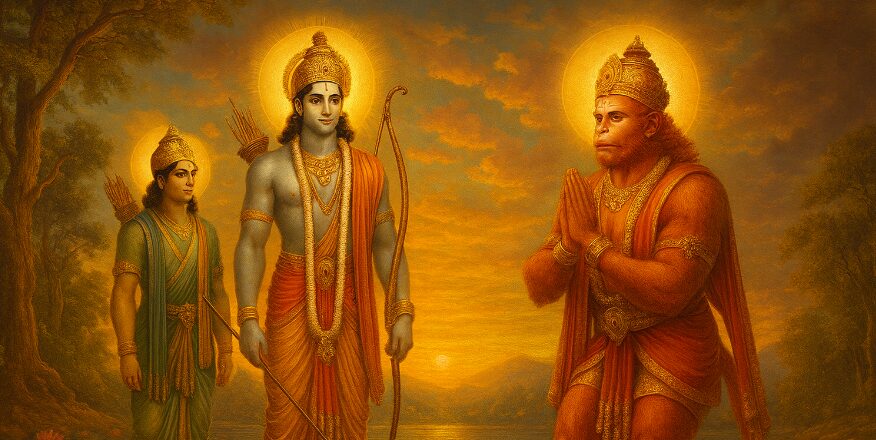

The Hanuman Chalisa, composed by the great saint Goswami Tulsidas in the 16th century, holds a revered place in Hindu spirituality. Dedicated to Lord Hanuman—the embodiment of devotion, strength, loyalty, and selfless service—this 40-verse hymn is recited daily by millions of devotees across the world. While reciting it once is considered powerful, the practice of chanting it 108 times is regarded as one of the highest forms of devotion. It is said to unlock deep spiritual vibrations, offering protection, mental strength, and divine grace that elevates the devotee’s life.
This article explores the spiritual significance of the number 108, the reasons devotees undertake this practice, the benefits they experience, and practical tips to perform it with devotion and sincerity.
Introduction
In Hinduism, repetition of mantras or hymns is not merely about the words themselves; it is about shraddha (faith) and sankalpa (intent). Reciting the Hanuman Chalisa symbolizes surrender to Lord Hanuman, who is celebrated as the destroyer of fear, remover of obstacles, and the epitome of devotion to Lord Rama. When done 108 times, the recitation becomes more than prayer—it becomes a full spiritual discipline, lasting hours or spread over days, testing patience, focus, and sincerity of the devotee.
Many devotees undertake 108 Hanuman Chalisa paths to overcome difficulties, to find inner strength during challenging times, or to invoke blessings for family and society. This practice has been handed down through generations and is deeply integrated into Hindu cultural and spiritual traditions.
Why 108 is Spiritually Important
The number 108 is not arbitrary; it has profound meaning across Hindu philosophy, yoga, and even astronomy.
- Cosmic Completeness: Ancient Vedic texts regard 108 as the number of wholeness. It represents the universe in its completeness, binding the physical and spiritual worlds.
- Sacred Geometry: There are said to be 108 Upanishads, symbolizing the totality of Hindu philosophical thought.
- Astronomical Significance: The average distance between the Earth and Sun is about 108 times the diameter of the Sun. Similarly, the distance between the Earth and Moon is 108 times the Moon’s diameter. This cosmic ratio finds reflection in spiritual practices.
- Body and Prana Energy: Yogic philosophy states that there are 108 nadis (energy channels) converging at the heart chakra, tying life-force energy to divine consciousness.
- Prayer Tradition: A japa mala, commonly used in meditation and mantra recitation, consists of 108 beads, indicating that repetition of prayers is designed to match this highly auspicious number.
Thus, reciting the Hanuman Chalisa 108 times is believed to align the devotee with universal energy, magnifying the mantra’s power.
When Do Devotees Perform 108 Paths?
There are certain occasions and situations where devotees find it most beneficial to undertake this intense form of sadhana (spiritual discipline):
- Tuesdays and Saturdays: These days are dedicated to Hanuman, making them especially auspicious for recitations.
- Hanuman Jayanti: The birth anniversary of Lord Hanuman is the most popular day for 108 recitations, often performed in temples or community satsangs across India.
- During Difficult Times: When facing mental stress, financial struggles, health concerns, or obstacles caused by enemies or planetary positions (especially Shani/Saturn), devotees turn to 108 paths for strength.
- Special Festivals: Navratri, Shravan month, and Ram Navami are also chosen by many to perform 108 paths as part of larger spiritual observances.
- Before Big Life Events: Some devotees do this before marriage, childbirth, new ventures, or exams—for strength, stability, and blessings.
Whether done individually at home or collectively in temples, 108 recitations are seen as a spiritual vow that brings divine response to sincere prayer.
Benefits of 108 Hanuman Chalisa Recitations
Devotees who perform this spiritual practice often speak of both worldly (material) benefits and spiritual growth.
- Removes Fear and Negativity: Regular recitation protects the devotee from negative energies, evil forces, and planetary challenges, especially Shani dosha.
- Boosts Courage and Determination: Hanuman is the epitome of strength. His blessings fill devotees with immense willpower and confidence, helping them face life’s challenges courageously.
- Brings Peace of Mind: The rhythm and devotion of continuous recitation act as meditation, calming the nervous system and reducing stress.
- Protects Family and Home: Collective chanting is believed to create a shield of divine energy around households, ensuring health, wealth, and harmony.
- Clears Obstacles: Hanuman is known as Sankat Mochan (remover of troubles). The practice invokes his grace to dissolve hurdles in career, personal life, and relationships.
- Purifies Karmas: Repetition undertaken with faith burns past karmas and leads one closer to spiritual progress.
- Brings Bhakti (Devotion) and Inner Growth: Beyond material needs, recitation elevates the mind spiritually, awakening feelings of service, selflessness, and higher consciousness.
Tips for Devotees Undertaking 108 Recitations
Since 108 paths can take hours or even days to complete, here are some practical tips for sincerity and effectiveness:
- Prepare Your Space: Choose a quiet, clean area, and set up a small altar with Hanuman’s idol or picture. Lighting a diya and incense adds sacredness.
- Use a Mala or Counter: Keeping track of 108 continuous recitations can be challenging, so a japa mala or counting beads helps maintain focus.
- Plan Time Wisely: A single recitation of Hanuman Chalisa may take 7–10 minutes. Therefore, completing 108 in one sitting can take nearly 15–18 hours. Devotees often split it across several sessions over a day or a few days.
- Maintain Purity: A clean body and clear mind are important. Many fast lightly or eat sattvic food while performing this practice.
- Chant with Devotion, Not Hurry: Mechanical chanting reduces impact. Focus on meaning, rhythm, and devotion for deeper results.
- Begin and End with Prayer: Start with salutations to Lord Hanuman and end with gratitude, offering flowers or prasad to complete the sadhana.
- Group Chanting: Many communities organize collective 108 paths in temples, especially during Hanuman Jayanti, where energy multiplies when devotees chant together.
Summary
The 108 recitations of Hanuman Chalisa are a profound spiritual practice rooted in sacred numerology, devotion, and universal harmony. The number 108 signifies completeness, cosmic alignment, and the cycle of existence. Devotees undertake this path on auspicious days like Tuesdays, Saturdays, or Hanuman Jayanti, or during testing times in life, seeking divine help. The benefits range from removing obstacles, granting mental and physical strength, and offering protection against negativity, to fostering inner devotion and spiritual growth.
Ultimately, the true essence lies not in the external number but in the bhakti and sincerity with which the recitations are performed. When chanted with love and unwavering faith, the 108 paths become a sacred bridge between devotee and Lord Hanuman, ensuring that the divine protector stands by their side through every challenge of life.